Your Oriental Rug Deserves Better Than a Steam Clean
Oriental rugs aren't carpet. They can't be steam cleaned, machine washed or scrubbed with household products. They need hand washing by someone who knows what they're doing.
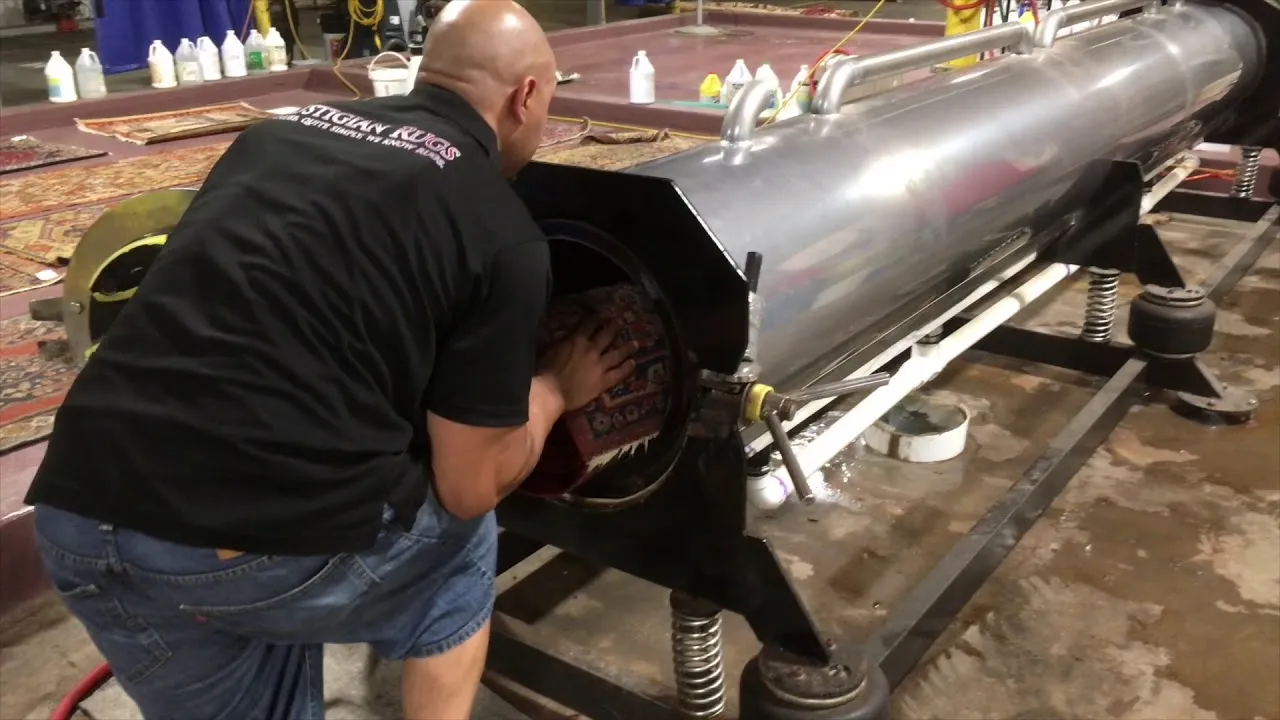
Why Oriental Rugs Need Special Cleaning
Oriental rugs use natural dyes extracted from plants, insects and minerals. Those dyes react unpredictably when exposed to the wrong pH levels, excessive heat or chemical solvents. A red dye made from madder root behaves differently than a synthetic red from a factory. If you don't test first, you find out the hard way.
The fibers matter too. Wool shrinks when you apply heat and agitation at the same time — the same reason a wool sweater comes out of the dryer two sizes smaller. Silk loses its luster and becomes brittle under harsh detergents. Cotton foundation threads warp and buckle when they absorb water unevenly, leaving the rug with permanent ripples.
Most carpet cleaning companies use truck-mounted hot water extraction on everything. That approach works fine on synthetic wall-to-wall carpet. On an oriental rug worth $2,000-$30,000, it's a gamble you shouldn't take.
We test every rug for colorfastness before cleaning. Each rug gets a custom treatment plan based on its fiber composition, dye stability, construction method and current condition. No shortcuts.
Our Oriental Rug Cleaning Process
Every oriental rug that comes through our Austin facility follows a six-step process. Some rugs need extra attention at certain stages, but no step ever gets skipped.
- 1. Pre-inspection and photography. We photograph your rug from both sides under controlled lighting. Every existing stain, worn area, moth hole and fringe issue gets documented. This protects you and gives us a baseline. We also flip the rug to check the foundation for dry rot, hidden stains or previous repair work.
- 2. Dye stability testing. We apply small amounts of our cleaning solution to inconspicuous areas of each color in the rug. If any dye shows signs of migration, we adjust our approach — sometimes switching to a dry cleaning method or using a dye fixative before wet washing. This step takes 15-30 minutes per rug. Skipping it is how rugs get ruined.
- 3. Mechanical dusting. An oriental rug can hold 4-8 pounds of dry soil per square yard. Your vacuum gets the surface debris, but sand, grit and fine particles settle deep into the pile and sit against the foundation. Our compressed air dusting system vibrates this soil loose from both sides. Without this step, wet washing just turns buried dirt into mud.
- 4. Hand washing. We lay the rug flat on our wash floor and apply pH-balanced cleaning solution with soft horsehair brushes. The solution matches the pH of wool (slightly acidic, around 4.5-5.5) so it cleans without stripping natural lanolin. We work section by section, following the direction of the pile. Stubborn stains get targeted treatment with enzyme-based spotters.
- 5. Controlled rinsing. Clean, temperature-controlled water flushes through the rug to remove all detergent residue. This is where most DIY attempts go wrong — leftover soap attracts dirt faster than the original soil did. We rinse until the water runs clear, then extract excess moisture with a centrifuge or roller system depending on the rug's construction.
- 6. Climate-controlled flat drying. Rugs dry flat on elevated drying racks with temperature and humidity control. Air circulation keeps mold and mildew from developing. Depending on the rug's thickness and fiber type, drying takes 3-7 days. We never use heat accelerators or hang heavy rugs — both cause distortion.
Types of Oriental Rugs We Clean
Oriental rugs come from dozens of countries and regions, each with unique weaving techniques, materials and dye traditions. We clean them all, but each type gets handled differently.
- → Hand-knotted wool orientals. The most common type we see. Wool is durable but sensitive to high pH and heat. We use cool water and wool-safe detergent. Typical turnaround: 7-10 days.
- → Silk and silk-blend orientals. Silk fibers are protein-based and break down under alkaline solutions. We use cold water only and silk-specific detergents. These rugs get extra time on the drying rack to prevent water marks.
- → Machine-made oriental reproductions. Less expensive but still need proper care. Synthetic dyes are usually stable, but the backing materials can delaminate if over-saturated. Faster turnaround at 5-7 days.
- → Antique and heirloom orientals. Extra caution across every step. Old dyes are less stable, foundations may be weakened and existing repairs need to be preserved. We document everything and consult with you before any aggressive stain treatment.
- → Turkish, Indian, Chinese and Afghan origins. Each region uses different knotting techniques, pile heights and dye sources. A Tabriz rug from Iran is constructed differently than a Oushak from Turkey. We adjust our process for each.
Common Problems We Fix During Cleaning
Cleaning often reveals issues that were hidden by dirt. We'll let you know what we find and recommend next steps.
- → Pet urine damage. Urine doesn't just stain — it breaks down wool fibers and weakens the foundation over time. We use enzyme treatments to neutralize uric acid crystals. Fresh stains come out completely. Old stains may leave faint marks but the odor goes away.
- → Moth damage. Moths eat wool and silk. If we find larvae or eggs during inspection, we treat the entire rug before cleaning. Damaged areas can be repaired after cleaning — reweaving, patching or re-piling depending on the extent.
- → Color run from previous cleanings. We see this more often than we'd like. A previous cleaner used the wrong chemical and now blue bleeds into white. We can sometimes reverse this with careful dye removal, but prevention is always better. That's why dye testing exists.
- → Sun fading. Rugs placed near south-facing windows fade unevenly over time. Cleaning won't reverse sun damage, but it makes the remaining colors brighter and more even. We can also recommend color restoration if fading is severe.
- → Fringe deterioration. Fringe isn't decorative — it's the exposed warp threads that hold the rug together. If fringe is unraveling, it means the rug's edges are starting to fail. We can secure or replace fringe during the cleaning process.
DIY Oriental Rug Cleaning vs Professional
Can you clean an oriental rug yourself? Technically, yes. Should you? Depends on the rug's value and what you're trying to remove.
Safe to DIY: Surface vacuuming (use suction only, no beater bar). Blotting fresh liquid spills with a white cloth and cold water. Rotating the rug every 6 months to even out wear patterns.
Not safe to DIY: Anything involving liquid cleaning solutions, spot removers, steam cleaners or carpet shampooers. Even "rug-safe" products from the hardware store can cause dye bleeding if the rug has natural dyes. If you wouldn't test a cleaning product on a $200 dress shirt without checking the label first, don't use it on a $5,000 rug.
The biggest risk with DIY isn't the cleaning itself — it's the drying. A wet oriental rug sitting on a floor or hung over a fence develops mildew within 24-48 hours in Austin's humidity. And once mildew gets into the foundation, it's extremely difficult to remove without damaging the rug further.
Oriental Rug Cleaning Pricing
We price by the square foot based on fiber type and condition. Here's what to expect:
| Rug Type | Price / sq ft | 8×10 Estimate |
|---|---|---|
| Wool oriental | $3 - $4 | $240 - $320 |
| Silk oriental | $5 - $8 | $400 - $640 |
| Wool/silk blend | $4 - $6 | $320 - $480 |
| Machine-made oriental | $2 - $3 | $160 - $240 |
| Antique / heirloom | $5 - $10 | $400 - $800 |
Pet stain treatment adds $1-2/sq ft. Heavy soil surcharge may apply for rugs that haven't been cleaned in 10+ years. Free pickup and delivery included on all orders.
How Often Should You Clean an Oriental Rug?
Professional cleaning frequency depends on traffic, pets and allergies:
- → High traffic, pets, allergies: Every 12-18 months
- → Moderate traffic, no pets: Every 2-3 years
- → Low traffic or display only: Every 3-5 years
Between professional cleanings, vacuum your oriental rug weekly with suction only. Flip it over and vacuum the back once a month — this knocks loose soil out of the pile. Rotate it 180 degrees every 6 months to distribute wear evenly and prevent sun fading on one side.
Why Austin Homeowners Choose Us
We're not a carpet cleaning franchise that added "oriental rugs" to their website. Rug cleaning is our entire business. Here's what that means for you:
- → Every rug is cleaned at our facility, not on your floor
- → We dye-test before any liquid touches the fibers
- → Climate-controlled drying — no Austin humidity mildew risk
- → In-house repair for anything we find during cleaning
- → Free pickup and delivery across the entire Austin metro
Frequently Asked Questions
How much does oriental rug cleaning cost in Austin?
Starts at $3/sq ft for wool and $5/sq ft for silk. A typical 8×10 wool oriental runs $240-$320 depending on soil level. Free pickup and delivery included.
How long does the process take?
7-10 days from pickup to delivery. Hand washing takes 1-2 days. Flat drying takes 5-7 days. We never rush the drying — that's how shrinkage and mildew happen.
Can you clean a silk oriental rug?
Yes. Silk gets cold water only, silk-safe detergents and extra drying time. We test every silk rug for dye stability before anything else.
Will cleaning remove pet stains?
Fresh stains — yes, completely. Old set-in urine may leave faint marks in the foundation, but we eliminate the odor in nearly all cases. Enzyme treatment breaks down uric acid crystals that regular cleaners can't touch.
How often should I get my oriental rug cleaned?
Every 2-3 years for most homes. Every 12-18 months if you have pets, allergies or high foot traffic. Rugs in low-traffic areas can go 3-5 years.
Is steam cleaning safe for oriental rugs?
No. Steam cleaning uses excessive heat and moisture that causes dye bleeding, fiber shrinkage and foundation warping. Hand washing with pH-balanced solutions is the only safe method for valuable oriental rugs.
Not sure what kind of rug you have?
We identify your rug's origin, construction type and fiber composition during our free pickup inspection. No need to know — that's our job. We also clean Persian rugs and area rugs of all types.
Get an Oriental Rug Estimate
We'll inspect it during free pickup and quote exact pricing.